
What kind of place is Buffalo, NY? It’s fun, historical, delicious, outdoorsy, sports-loving, diverse, and creative. It’s home to remarkable art and music and architecture. And did we mention it’s an easy, welcoming, and affordable place to visit? If this sounds unexpectedly great, that’s because that’s exactly what Buffalo is.
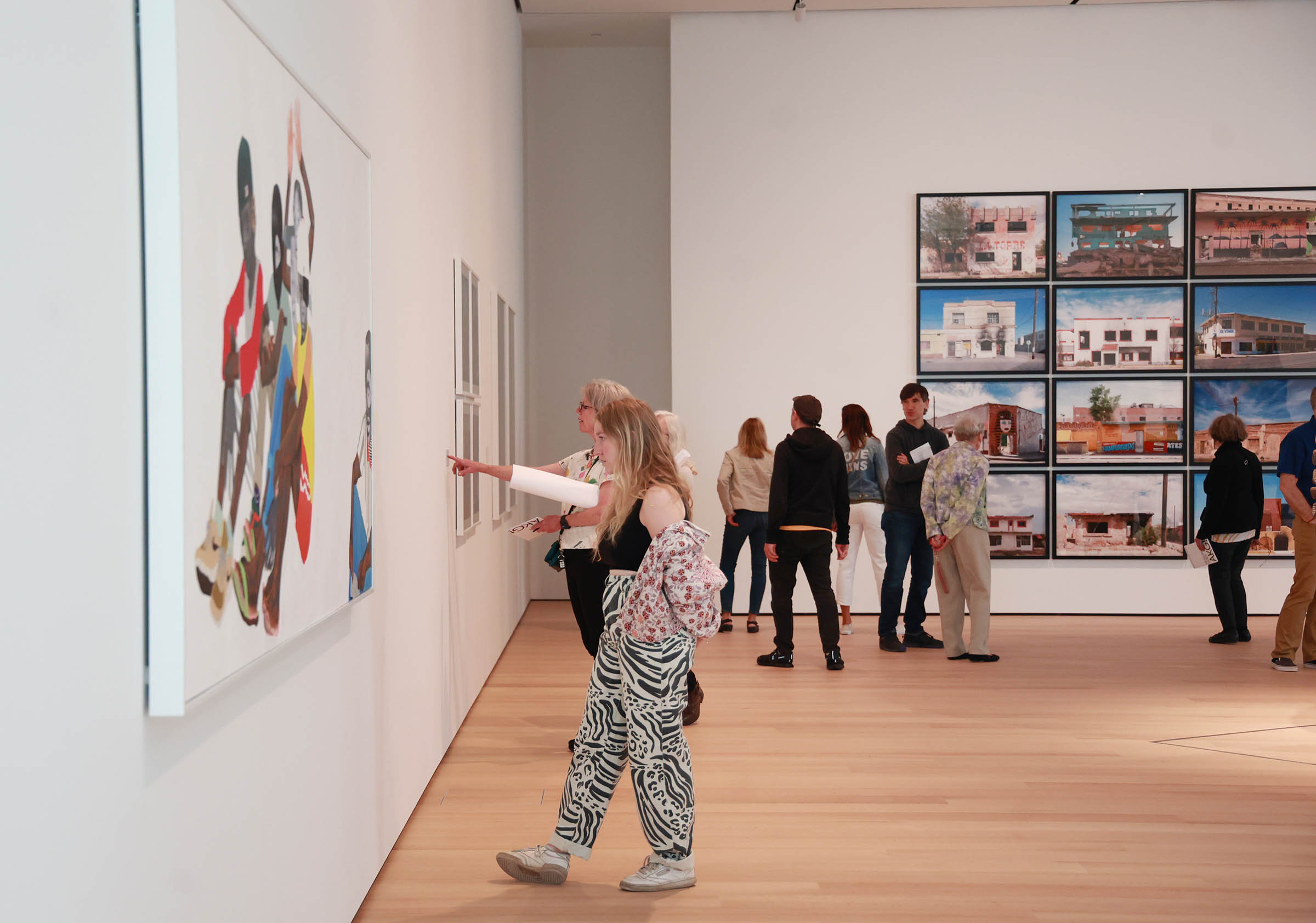
Exploring the AKG Art Museum
Buffalo’s Must See Art Experience
Read More
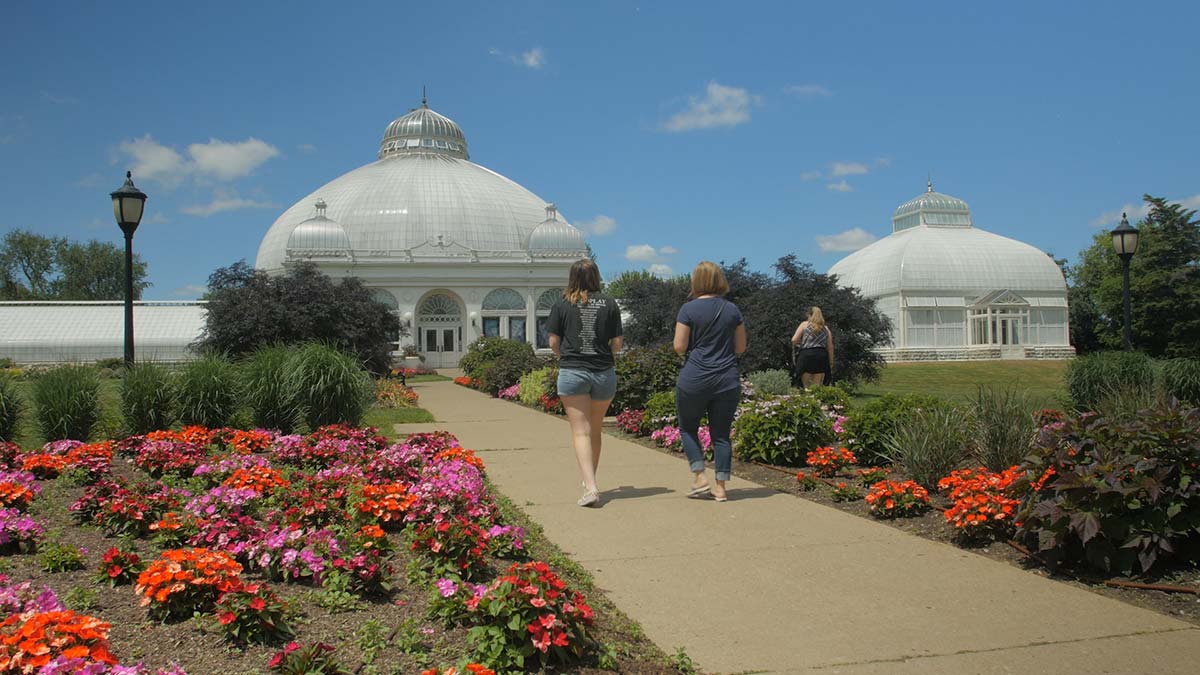
Spring Guide
Embrace the splendor of spring
Read More
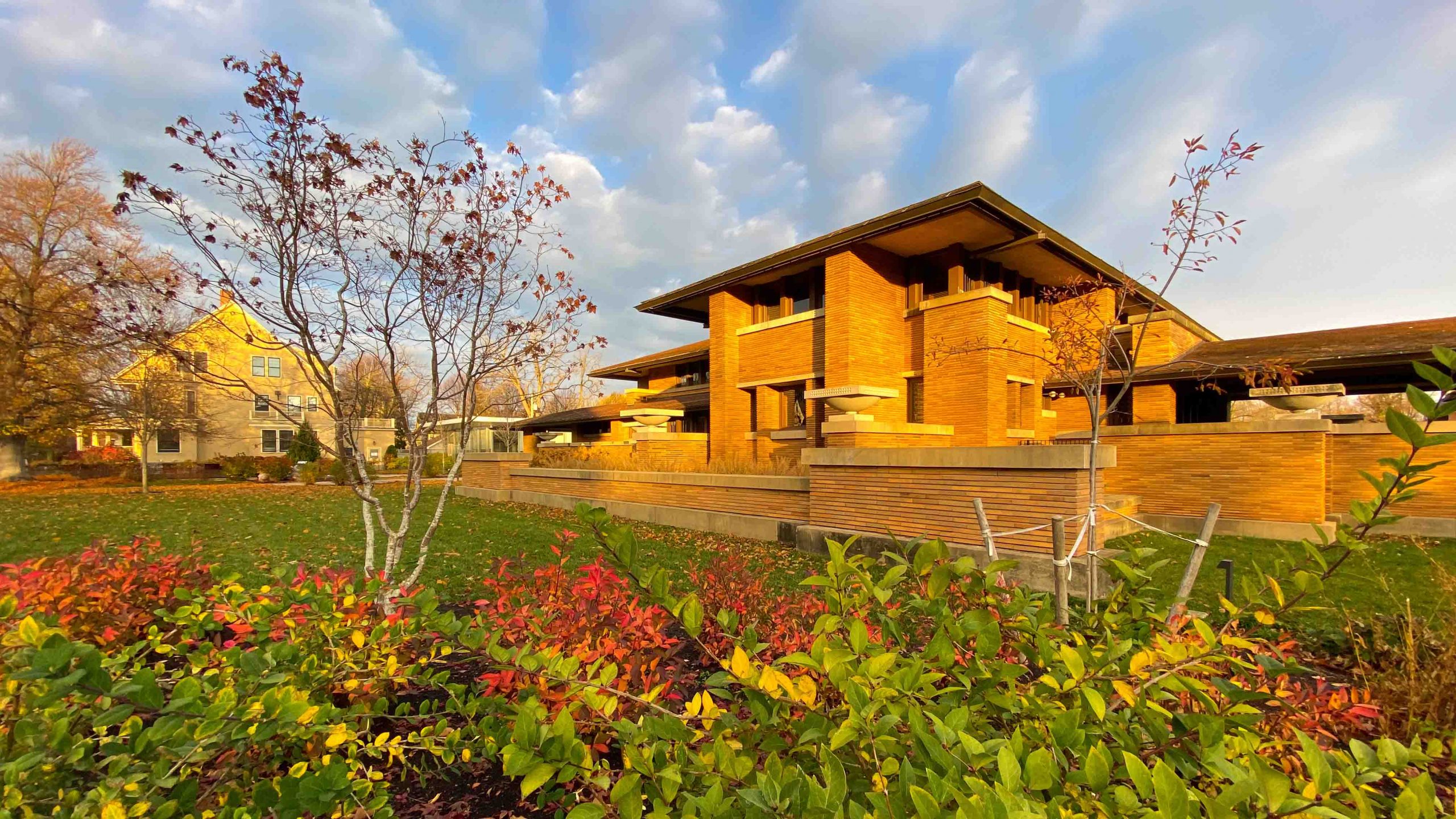
A Perfect Weekend Getaway
Remix your spring in our “weirdly wonderful place.”
Read More
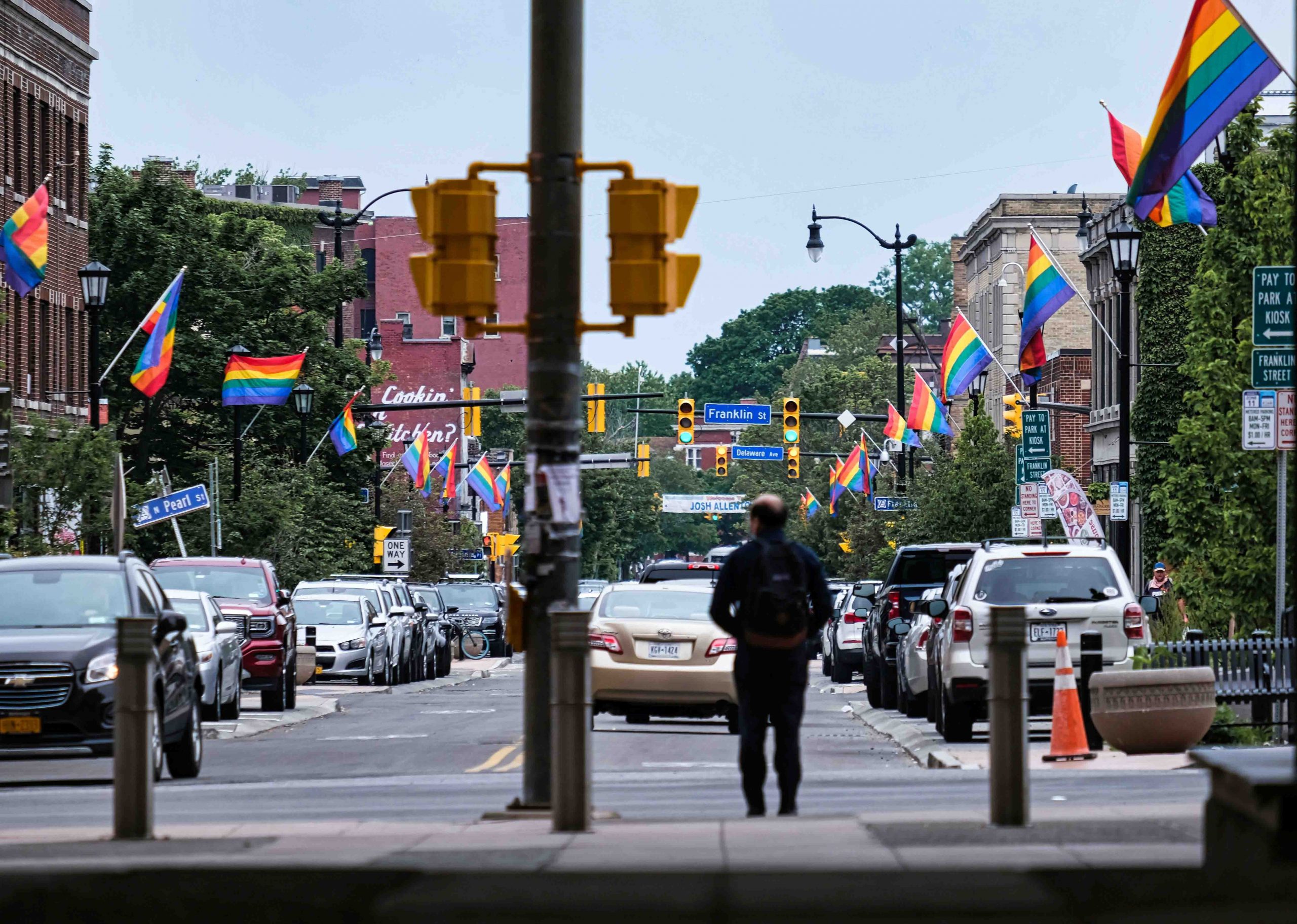
Buffalo’s Neighborhoods
Collectively distinct.
Read More

The Art of Light
A video portrait of Buffalo’s remarkable stained glass.
Play
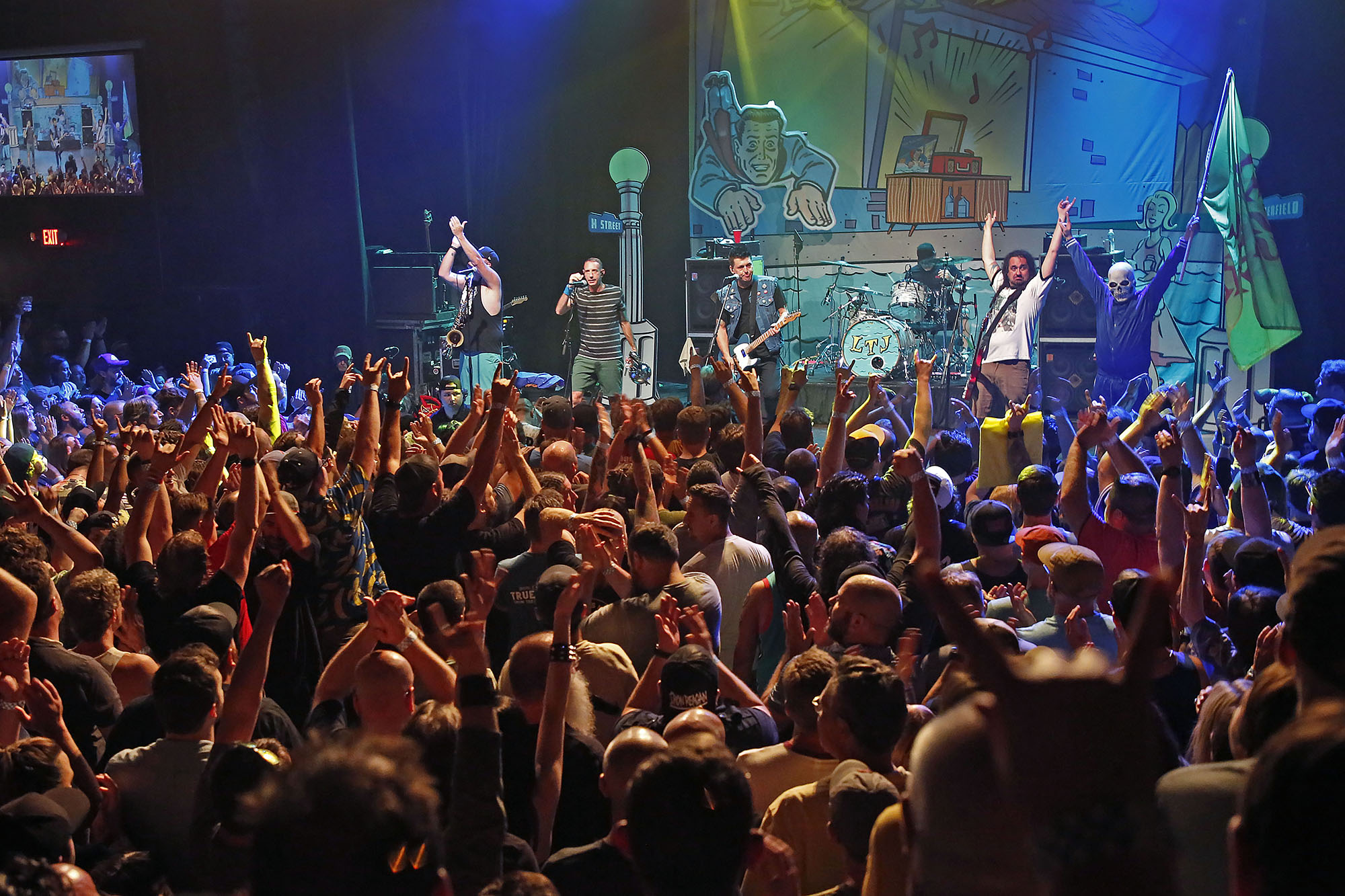
Live Music in Buffalo
All the city’s a stage.
Read More
Experience Buffalo
A city is only as incredible as its stories. We’re proud to say that the people, places and moments that shape Buffalo make for great stories, and we’re excited to share them with you.
More ExperiencesWorld Capital of Wings
Pull up a chair and join us in the World Capital of Wings for some pilgrimage-worthy painted wings, or Smitty Wings, or very, very hot wings, or double-dipped wings.

#INTHEBUF
Enjoy a relaxing moment with a photo tour of Buffalo. The City of Good Neighbors welcomes you to enjoy our marvelous architecture, revitalized waterfront and expansive natural areas. Take a look at what you’ll find in Buffalo.
Have you seen
Inthebuf.tv?
Whether it’s outdoor adventure, extraordinary cuisine, world-renowned architecture, a top-notch art scene or stores with stories, Buffalo has it all. Discover the best of Buffalo in this film series.